 Italian Government




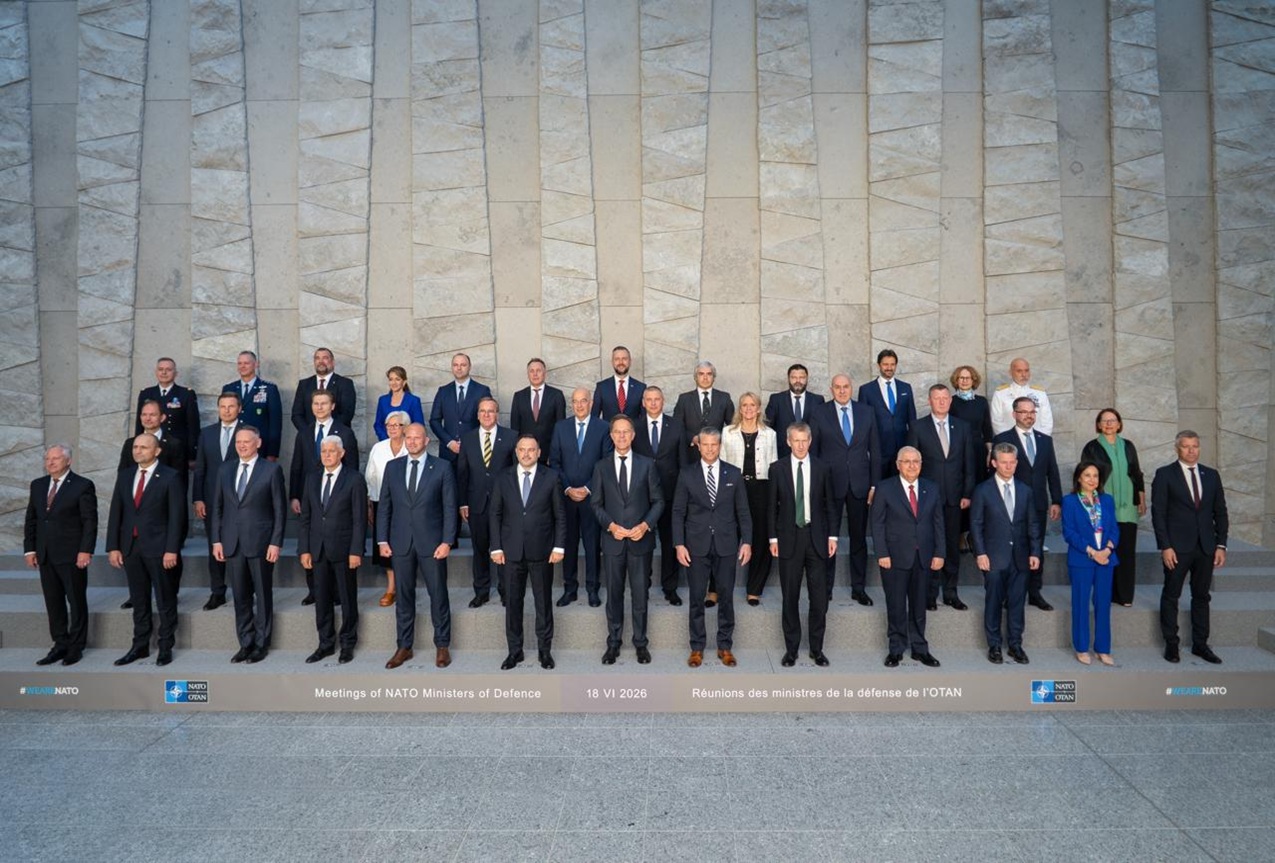
Meeting of NATO Defence Ministers


 Immagini messe a disposizione con licenza
CC BY-NC-SA 4.0 DEED
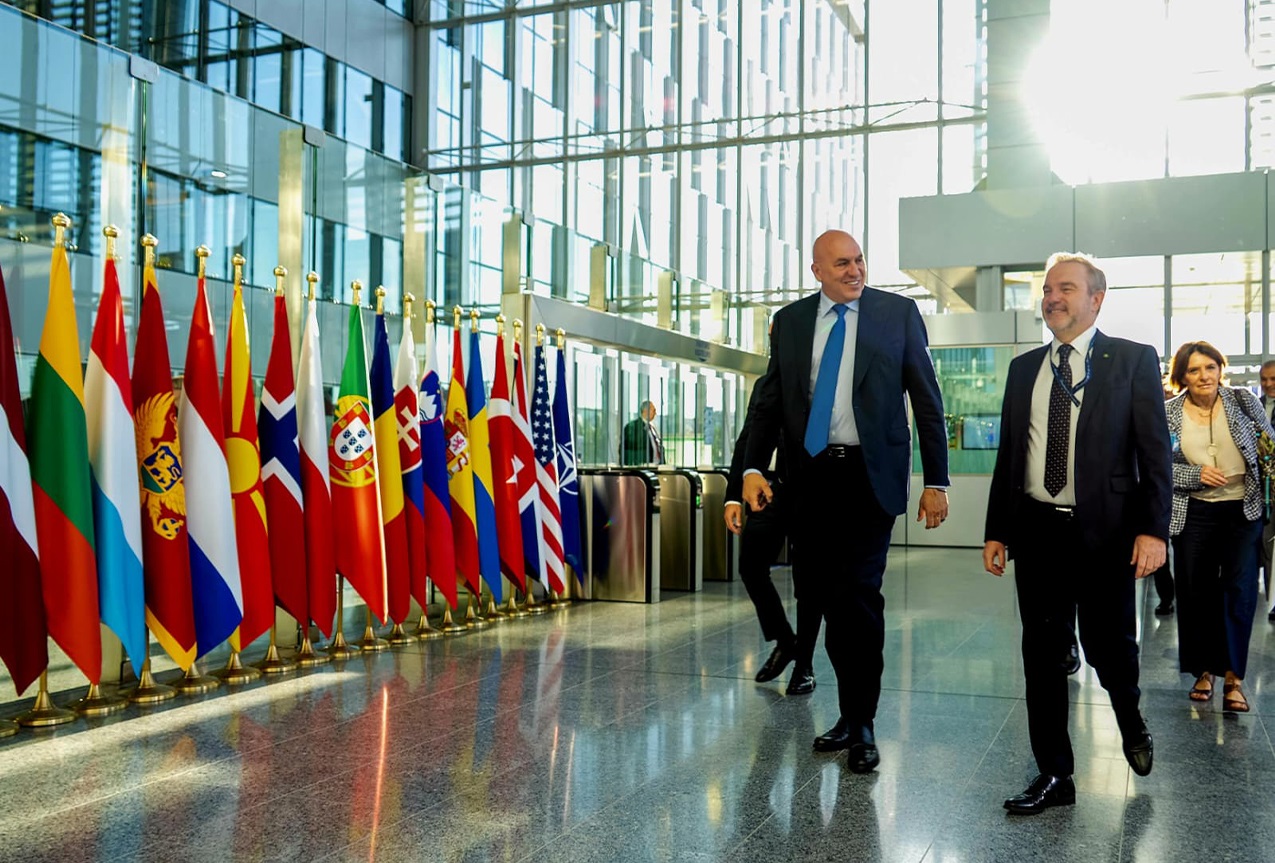
Italian Defense Minister Guido Crosetto has arrived in Brussels to take part in the Meeting of NATO Defense Ministers.
"The reorganization of NATO is a rational and necessary process. The direction is clear: the European pillar of the Alliance will need to be strengthened.
After all, NATO is not a club; it is a defensive military alliance. Those who are part of it must be aware that participation means taking responsibility, contributing proportionately, and honoring the commitments that have been made.
For Europe, this is a complex moment, but also an unavoidable transition. It is a historic turning point. After years in which NATO progressively reduced its posture, the current international situation requires a stronger, more credible NATO, with a more balanced contribution from its members.
If a country wants to be part of a defensive alliance, it must fulfill its commitments. Otherwise, the alternative is to stand alone. But defending oneself alone, in the current international context, would be infinitely more costly. It would mean having to invest a much larger share of national wealth to guarantee security and defense.
The issue, therefore, is not about doing everything immediately. The objective is set for 2035, with timelines, methods, and pathways that are sustainable for each country.
NATO has asked Allies to arrive at the Ankara Summit with credible plans. Italy is presenting itself with a solid, serious, and credible plan."
These were the remarks of Defense Minister Guido Crosetto following the Meeting of NATO Defense Ministers.
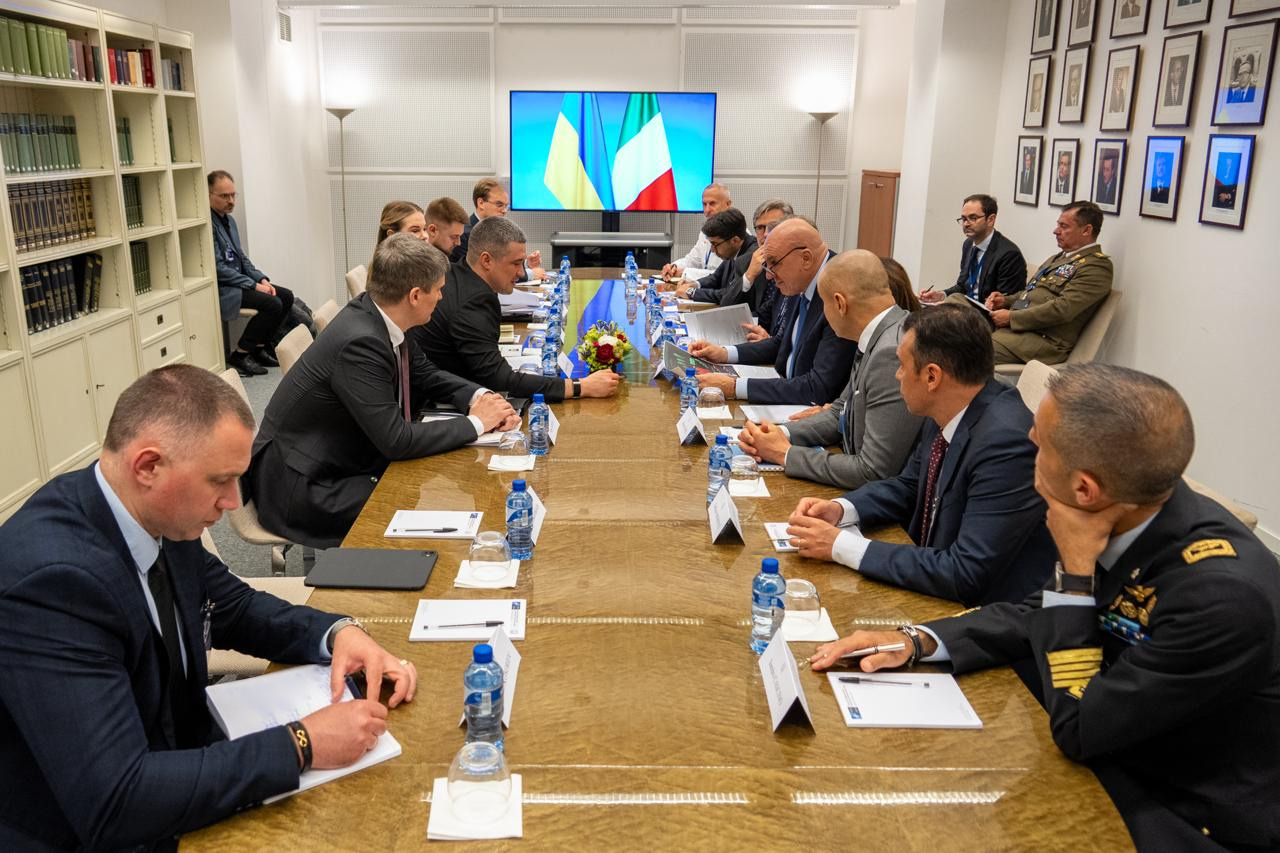
On the sidelines of the meeting, Minister Crosetto had an “important discussion with Ukrainian Defence Minister Mykhailo Fedorov, who updated me on developments on the front line. For my part, I reaffirmed Italy’s full support, paying tribute to the heroic courage and determination of the Ukrainian Armed Forces and the Ukrainian people in the face of a war launched against their country more than four years ago.
We hope that the ongoing developments may finally pave the way for a permanent ceasefire and a just and lasting peace, with adequate security guarantees for Ukraine.
We also shared a common interest in further exploring prospects for industrial cooperation in the defence sector, building on the experience Ukraine has gained on the battlefield: a valuable asset of innovation and operational capabilities that can help strengthen Europe’s collective security.”


